Monopoly Market Darknet: A Historical Profile
Monopoly market darknet was a mid-sized darknet marketplace that operated from 2019 until it abruptly shut down in late 2021. Unlike many markets that exit-scammed or were seized by law enforcement, Monopoly closed voluntarily after its administrators announced they were retiring. The market specialized in drugs and digital goods, and it earned a reputation for stable uptime and a clean interface. Since its closure, dozens of phishing clones have appeared using the Monopoly name to steal cryptocurrency from users who remember the original platform.
What Monopoly Market Was and How It Operated
Monopoly market dark web launched in mid-2019 as a vendor-curated marketplace accessible only through the Tor network. The platform required users to register with a PGP key and enforced two-factor authentication for withdrawals. Listings were organized into categories for cannabis, stimulants, psychedelics, prescription drugs, fraud-related digital goods, and software. The market used a traditional escrow system where buyers deposited Bitcoin or Monero into a market wallet, funds were held until the buyer confirmed receipt, and then released to the vendor.
The interface was built with a minimalist design that loaded quickly even over slow Tor circuits. Vendors paid a bond to list products, and the market took a percentage commission on completed sales. Monopoly did not allow weapons, stolen financial data in bulk, or fentanyl listings, which set it apart from some competitors. The administrators communicated through a dedicated subdread on the Dread forum and published PGP-signed mirrors to help users avoid phishing sites. At its peak, the market hosted several hundred active vendors and processed thousands of orders per week.
Why Users Trusted or Distrusted Monopoly Darknet Market
Trust on any darknet market is fragile, and Monopoly built its reputation through consistent uptime and transparent communication. The administrators posted regular status updates on Dread, acknowledged technical issues openly, and refunded users when disputes were resolved in their favor. Vendors appreciated the lower listing fees compared to larger markets, and buyers valued the mandatory PGP encryption for messages and addresses.
However, some users remained cautious because Monopoly was smaller than established giants like White House Market or Versus. Smaller markets face higher risks of sudden closure, and the centralized escrow model meant that all funds were held by the administrators at any given time. Security researchers noted that the market's codebase appeared custom-built rather than a clone of older platforms, which reduced the risk of known exploits but also meant fewer eyes had audited the code. The market never suffered a major hack or database leak during its operational period, which helped maintain user confidence until the voluntary shutdown.
The Voluntary Shutdown in Late 2021
In December 2021, the Monopoly market administrators posted a PGP-signed message on Dread announcing that the market would close permanently within two weeks. The message stated that the operators had decided to retire while they were ahead, citing the increasing difficulty of maintaining operational security and the personal toll of running a darknet market. Users were given a withdrawal window to remove their funds, and the administrators promised to process all pending orders and disputes before the final shutdown.
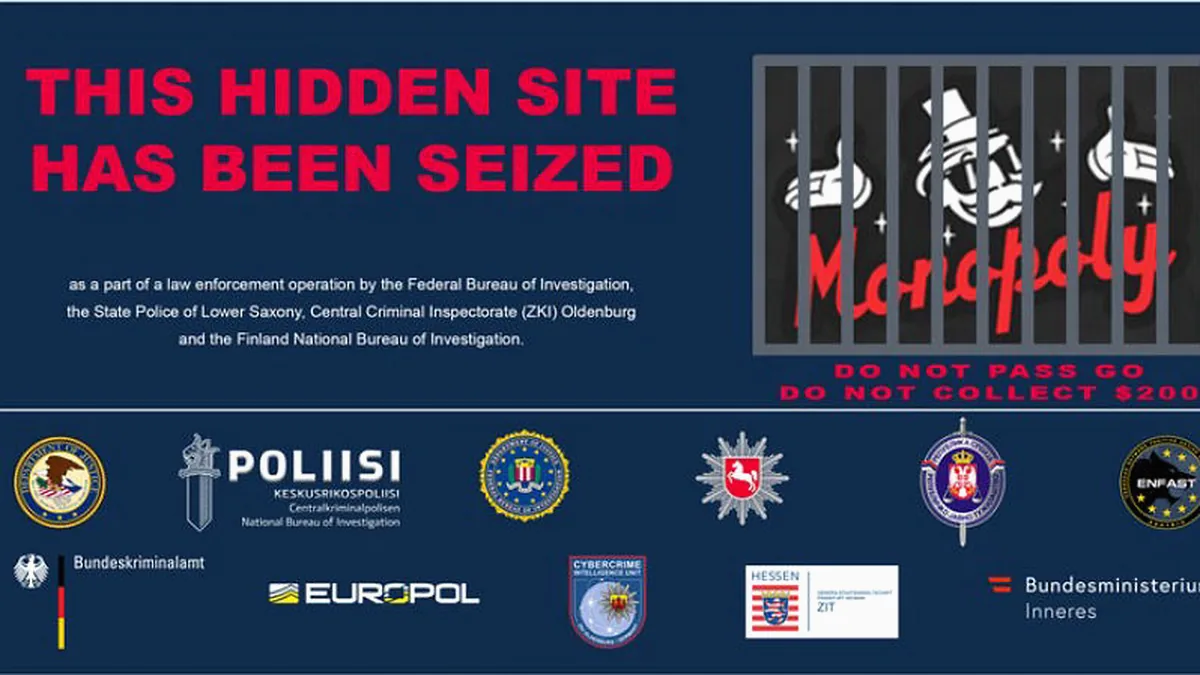
The market went offline as scheduled, and most users reported that they were able to withdraw their balances without issue. This voluntary closure was unusual in the darknet ecosystem, where exit scams and law-enforcement seizures are far more common. Public law-enforcement press releases from agencies such as Europol and the FBI did not mention Monopoly in the months following its closure, which suggests that the shutdown was indeed voluntary rather than the result of an investigation. The administrators never returned, and no successor market emerged under the same branding.
How Phishing Clones Exploit the Monopoly Market Name
Within weeks of the original market's closure, phishing sites began appearing with names like "Monopoly Market Reloaded" or "Monopoly V2." These clones copy the visual design of the original site and use similar monopoly market url patterns to trick users into depositing funds. The scam works because former users search for the market name, find a clone that looks familiar, and deposit cryptocurrency without verifying the PGP signature of the site's announcement.
Phishing clones typically operate for a few weeks, collect deposits, and then vanish. Some clones add fake vendor profiles and fabricated reviews to appear legitimate. Others display error messages after login to convince users that their funds are being processed. The most effective defense is to never trust a market based on its name or appearance alone. Any site claiming to be Monopoly Market in 2022 or later is a scam, because the original administrators announced a permanent closure and have not returned.
Users who encounter a site claiming to be Monopoly should check the Useful Resources page on this site for current link directories and always verify PGP-signed messages from market administrators on Dread or other trusted forums before depositing funds.
What Typically Goes Wrong with Darknet Market Closures
Darknet markets close for three main reasons: exit scams, law-enforcement seizures, or voluntary shutdowns. Exit scams are the most common, where administrators disable withdrawals, collect all escrowed funds, and disappear. According to public court records from cases like the AlphaBay and Hansa takedowns, law enforcement often runs seized markets for weeks to gather intelligence before revealing the seizure. Voluntary closures like Monopoly's are rare because they require administrators to forgo the large sums held in escrow.
The Tor Project documentation explains that onion services can be taken offline by their operators at any time without leaving a trace, which makes it difficult for users to distinguish between a technical outage and a permanent closure. This uncertainty creates opportunities for phishing operators who can claim that a market has "moved" to a new address. Security-vendor incident reports on darknet phishing campaigns show that scammers often register dozens of similar onion addresses and use SEO techniques to rank fake mirrors in search results.
For users, the lesson is that any market can close without warning, and funds held in escrow are always at risk. The safest practice is to deposit only what you need for a single transaction, complete the order quickly, and withdraw any remaining balance immediately. Never leave cryptocurrency in a market wallet for convenience.
Safer Ways to Verify Any Darknet Market Address
Verifying a darknet market address requires multiple steps, and skipping any of them can lead to a phishing loss. First, never use a search engine to find a market link. Search results are easily manipulated, and phishing sites often pay for ads or use SEO to rank above legitimate directories. Instead, use a trusted link directory such as the ones listed on the Useful Resources page of this site, and cross-reference the address with multiple sources.
Second, check for a PGP-signed message from the market administrators. Legitimate markets publish their PGP public key on forums like Dread, and every mirror announcement should be signed with that key. Download the message, verify the signature using GnuPG or a similar tool, and confirm that the key fingerprint matches the one published on the forum. If the signature does not verify, or if the site does not provide a signed message, do not use it.
Third, enable two-factor authentication on your market account if the platform supports it, and always encrypt your address and messages with the vendor's PGP key. These steps will not protect you from an exit scam, but they will prevent most phishing attacks. Remember that Monopoly market darknet is permanently closed, so any site using that name today is a scam designed to steal your deposit.
What This Means for Darknet Market Users Today
The story of Monopoly market illustrates both the best and worst aspects of the darknet ecosystem. On one hand, the administrators kept their promise and allowed users to withdraw funds during the closure window, which is a rare example of integrity in an environment where trust is scarce. On the other hand, the market's closure created a vacuum that phishing operators immediately exploited, and users who were not careful lost money to clones.
The broader lesson is that no darknet market is permanent, and users must treat every platform as temporary. Operational security practices such as PGP verification, small deposits, and rapid withdrawals are not optional extras but essential habits. The same techniques that protect you from phishing clones also reduce your exposure to exit scams and law-enforcement operations. If you are researching darknet markets for security awareness or academic purposes, focus on understanding the verification process and the common failure modes rather than searching for active markets. The technology and the risks remain consistent even as individual markets come and go.
Frequently asked questions
Is Monopoly market still online?
No, Monopoly market closed permanently in December 2021. The administrators announced a voluntary shutdown and gave users a withdrawal window to remove their funds. Any site claiming to be Monopoly Market today is a phishing clone designed to steal cryptocurrency deposits.
Why did Monopoly market shut down?
The administrators posted a PGP-signed message stating they were retiring voluntarily. They cited the difficulty of maintaining operational security and the personal toll of running a darknet market. There is no public evidence of a law-enforcement seizure or exit scam.
How can I tell if a Monopoly market link is fake?
Since the original market closed in late 2021, every site using the Monopoly name is a phishing scam. Legitimate verification would require a PGP-signed message from the original administrators, cross-referenced with trusted forums like Dread, but the administrators have not returned and announced a permanent closure.
What happened to users who had funds in Monopoly market?
Most users reported that they were able to withdraw their balances during the two-week closure window announced by the administrators. The shutdown was handled more transparently than most darknet market closures, which typically involve exit scams or sudden seizures without warning.
How do phishing clones of Monopoly market work?
Phishing clones copy the visual design of the original site and use similar onion addresses to trick former users. They collect cryptocurrency deposits and then vanish. The scam relies on users searching for the market name without verifying PGP signatures or checking trusted link directories.