Why Reddit Hidden Wiki Links Keep Changing and What That Means
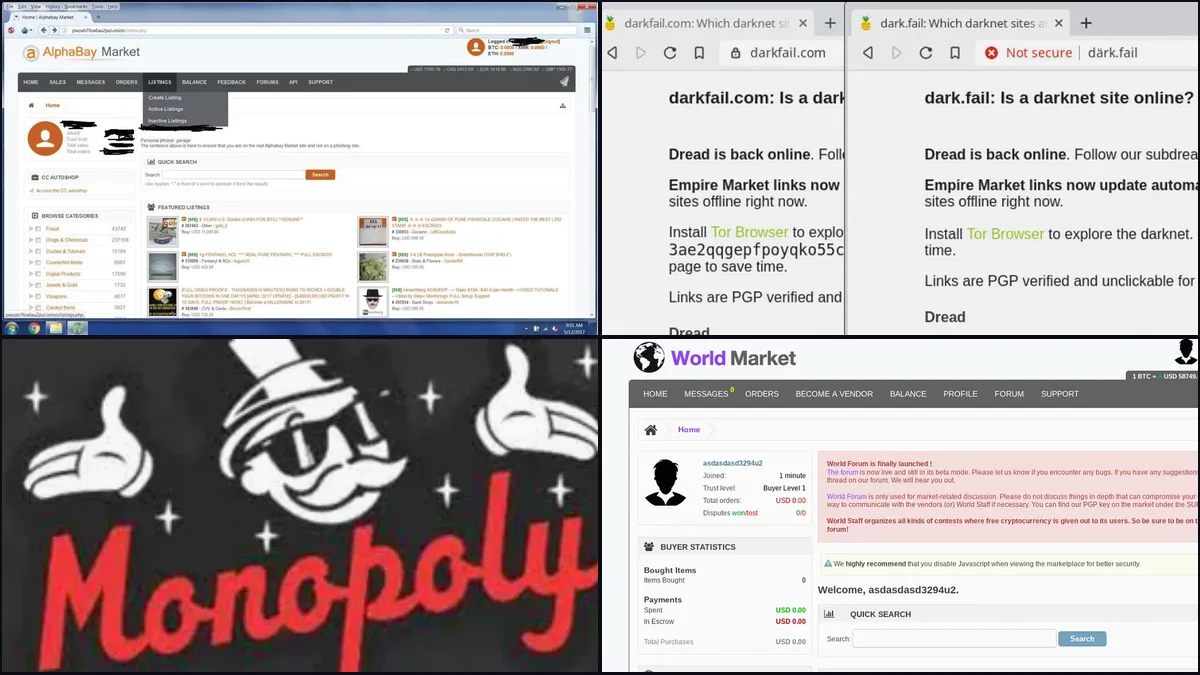
Reddit threads that share Hidden Wiki links follow a predictable lifecycle. Someone posts a link. Within hours, comments appear saying the link is dead, a phishing trap or a known scam. The original poster either deletes the post or edits it with a new link. A month later, someone starts a new thread asking for the same thing, and the cycle repeats. This is not a sign that Redditors are bad at finding links. It is evidence that a permanent, trustworthy Hidden Wiki address does not exist and that asking strangers for onion links is a practice with a poor track record.
The Reddit Link Lifecycle
A Reddit thread about Hidden Wiki links follows a pattern that has been stable for years. The original poster asks for links. Early replies provide addresses. Later replies warn that the addresses are scams. The thread fills with contradictory advice. A moderator may remove it, or it may fade as the addresses stop working.
This cycle matters because it shows that the community cannot solve the directory problem by sharing links. The problem is not a shortage of links. It is the absence of a way to verify them that does not depend on trusting the person who shared them.
Reddit's voting system does not help here. Upvotes can be bought or manipulated. A phishing link with fifty upvotes and supportive comments is still a phishing link, and a genuine link with no votes is still genuine. Popularity is not verification.
Why Reddit Is Both the Best and Worst Place to Find Onion Links
Reddit is good for one thing: finding discussions about whether a service is reliable. If a market has exit-scammed, Reddit threads will document it. If a forum has been taken over by law enforcement, someone on Reddit will have noticed. The value is in the discussion, not the links.
Reddit is bad for obtaining links because you cannot verify the identity of the person posting them. A user with a five-year-old account and high karma could be a genuine contributor or an account that was sold to a phishing operator. You cannot tell the difference from the profile.
The practical rule is: read Reddit for warnings, not for addresses. Use discussions to learn which services have problems, then verify addresses through independent channels such as PGP-signed announcements.
The Subreddit Ban Problem
Reddit bans subreddits that share onion addresses for markets and illegal services. This has been the platform's policy since 2018, when several large darknet-market subreddits were removed. The bans reduced the visibility of onion links on Reddit but did not eliminate them. Links still appear in private messages, in comments on unrelated subreddits and in posts that use coded language.
The bans had an unintended consequence. When legitimate discussion communities were removed, the remaining sources of links became less accountable. A link shared in a private message has no public scrutiny. A link shared in a coded post is harder for other users to question. The bans made link sharing less visible without making it safer.
How to Read a Reddit Thread About Onion Links
When you see a Reddit thread about Hidden Wiki links, ask three questions before clicking anything. First, does the thread contain multiple people warning that the links are scams? If yes, the warnings are more reliable than the links. Second, does the original poster have a history of sharing links, or is this their only contribution? Single-purpose accounts are a red flag. Third, do the comments include anyone describing how they verified a link independently? If the entire discussion treats the links as trustworthy by default, walk away.
These questions do not guarantee safety. They improve your odds by filtering out the most common phishing patterns.
Reality Layer: How Link Sharing Communities Actually Function
Research on dark-web communities published by security vendors such as Recorded Future describes a pattern: link-sharing forums operate on reputation, but reputation is easily faked. A new account can build credibility by posting genuine links for weeks before switching to phishing links. The cost of building a fake reputation is time, and the return from a successful phishing campaign can be large enough to make the time investment worthwhile.
Law-enforcement press releases describe operations in which investigators posed as community members to identify users. The link you receive in a private message could come from a researcher, a law-enforcement officer or a phishing operator. You cannot distinguish them from the message text. Source types: security-vendor research reports, law-enforcement press releases.
Practical Steps for Safer Directory Use
If you choose to use a directory despite the risks, these practices reduce the most likely harms. They are not guarantees. They are harm-reduction steps adapted from what security researchers recommend.
- Never enter a password, private key or seed phrase on a site you reached through a directory without first verifying the address independently.
- Check whether the service has a PGP-signed announcement with its current address. If it does not, treat the directory listing as unverified.
- Avoid directories that mix categories such as markets, forums and email providers without indicating how each listing was checked.
- If a directory displays advertisements or sponsored listings, assume those listings received priority over accuracy.
- Bookmark verified addresses and stop using the directory as your primary access point.
Sources and official tools
Official references checked when this guide was written. Product links contain no affiliate tracking.
Frequently asked questions
Is there a real hidden wiki onion link?
The term describes a type of directory that has been copied many times. Some copies may contain genuine links, but there is no single authoritative version, and many copies are phishing operations. Always verify addresses independently.
How can I tell if a directory link is a phishing trap?
You cannot tell from the link text alone. The only reliable method is to find a PGP-signed announcement from the service operator through a separate channel and compare the address.
Are there any safe onion directories?
A directory is only as safe as its operator's verification practices, which you cannot independently verify. The safest approach is to treat every directory listing as unverified until you check it against an independent source.
What should I do if I clicked a phishing link?
If you entered credentials, change them immediately on the legitimate service. If you sent cryptocurrency, the transaction is likely irreversible. Report the phishing address to the legitimate service so they can warn other users.